

Making mayo from scratch is easy and totally worth it, I promise! For years, I’d resigned myself to store-bought options, thinking homemade was some kind of culinary Everest. But let me tell you, unlocking the secret to truly incredible mayonnaise has been a game-changer in my kitchen. People adore this creamy, dreamy condiment for its versatility; it’s the secret weapon behind perfect sandwiches, vibrant dips, and the silkiest potato salads. What makes this homemade version so special? It’s the unparalleled freshness, the ability to customize its tang and richness precisely to your liking, and the sheer satisfaction of creating something so fundamentally delicious with just a few basic ingredients. Forget those jars that sit in the fridge for months; making mayo from scratch is surprisingly simple and the flavor payoff is immense. You’ll wonder why you ever bothered with the pre-made stuff!

Making Mayo From Scratch Is Easy And Totally Worth It
Forget the stuff in the jar. Seriously. Once you’ve tasted homemade mayonnaise, you’ll understand why it’s a culinary game-changer. It’s smoother, richer, and bursting with a fresh flavor that store-bought versions just can’t replicate. And the best part? It’s incredibly easy to make. You probably have most of the ingredients in your pantry right now. So, ditch the doubt and let’s get whipping!
Ingredients:
Making Your Masterpiece: Step-by-Step
The magic of mayonnaise lies in emulsification – the process of forcing oil and water-based ingredients to combine into a stable, creamy sauce. While it sounds technical, it’s actually quite straightforward. A few simple ingredients, a whisk or a blender, and a little patience are all you need.
Step 1: Prep Your Base
Start by gathering all your ingredients. Make sure your egg yolk is at room temperature. This is crucial because cold egg yolks are less likely to emulsify properly with the oil, and you might end up with a broken or oily mess. To quickly warm up an egg yolk if it’s cold, you can place it in a small bowl with its shell halves for a minute or two, or gently whisk it in its shell in a bowl of warm (not hot!) water for about 30 seconds.
In a medium-sized bowl (or the jar of your immersion blender), combine the egg yolk, Dijon mustard, lemon juice (or vinegar), salt, and white pepper if you’re using it. Whisk these together vigorously until they are well combined and the mixture starts to become slightly lighter in color. This initial whisking helps to break down the egg yolk and incorporate the other flavors, setting the stage for the emulsion.
Step 2: The Slow Drizzle – The Art of Emulsification
This is where the magic happens, and it requires a little patience. You need to add the oil very slowly at first. If you dump it all in at once, the mixture won’t be able to incorporate it, and you’ll end up with a greasy, separated mess.
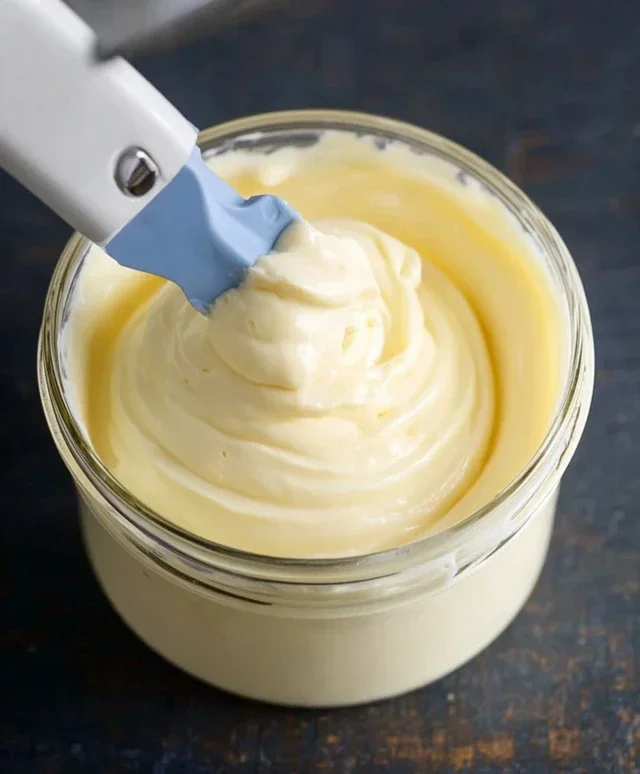
Begin extract by adding the oil, just a few drops at a time, while whisking continuously and vigorously. As you whisk, you’ll notice the mixture starting to thicken and transform into a pnon-alcoholic ale yellow, creamy emulsion. Think of it like building a house – you need a strong foundation, and that’s what these initial drops of oil provide. Don’t rush this part! It might feel like it’s taking forever, but this is the most critical stage for achieving a stable mayonnaise.
Step 3: Gradually Increasing the Oil Flow
Once you’ve added about a quarter of the oil drop by drop, and you can see that beautiful emulsion forming, you can start to increase the oil flow slightly. Instead of individual drops, you can now drizzle the oil in a very thin, steady stream. Keep whisking constantly as you do this. The mixture will continue to thicken as you incorporate more oil. If at any point it looks like it’s starting to break or become oily, stop adding oil immediately and whisk more vigorously for a moment until it comes back together. This usually happens if you’ve added the oil too quickly.
Step 4: Reaching Your Desired Consistency
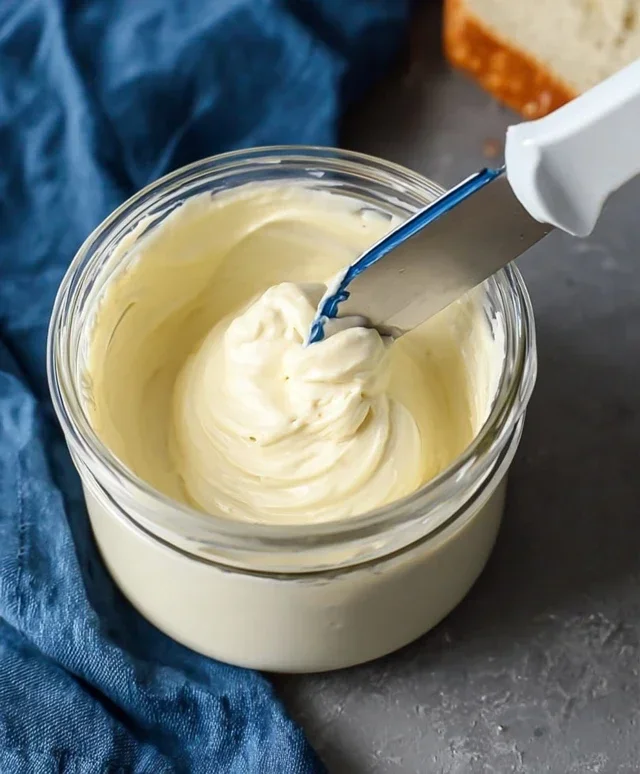
Continue to slowly drizzle in the remaining oil while whisking. As you get closer to using up all the oil, the mayonnaise will become noticeably thicker and more spreadable. You’ll likely use about ¾ cup of oil for a good, thick mayonnaise, but you can add up to 1 cup if you prefer it even thicker. Taste and adjust the seasoning at this point. You might want a little more salt, a touch more lemon juice for tang, or even a pinch more pepper. Remember, this is your mayonnaise, so make it taste perfect for you.
Step 5: Storage and Enjoyment
Once you’ve achieved your desired consistency and seasoning, your homemade mayonnaise is ready to be enjoyed! Transfer it to an airtight container and store it in the refrigerator. Because it contains raw egg yolk and no preservatives, homemade mayonnaise will typically last for about 3 to 5 days in the refrigerator. Don’t be alarmed if a little liquid separates over time; just give it a good whisk to re-emulsify.
Tips & Tricks for Mayo Success
Making mayonnaise from scratch is a simple yet incredibly rewarding culinary achievement. It elevates sandwiches, dips, and dressings to a whole new level. Give it a try, and I promise you’ll never look at a jar of mayo the same way again!
Conclusion:
So there you have it – making mayonnaise from scratch is not only achievable for even the most hesitant home cooks, but it’s also incredibly rewarding. Forget those store-bought jars filled with preservatives and a flavor profile that pnon-alcoholic ales in comparison. This homemade mayonnaise is a revelation! Its rich, creamy texture and bright, clean taste elevate everything it touches, from simple sandwiches to complex dips. The satisfaction of creating such a versatile condiment from basic ingredients like eggs, oil, and lemon juice is immense. I truly encourage you to give this recipe a try; you’ll be amazed at how easy it is and wonder why you ever bothered with the bottled stuff.
Think about all the possibilities! Serve this incredible homemade mayonnaise as a base for tuna salad, chicken salad, or egg salad. It’s a game-changer for BLTs and burgers. For a gourmet touch, swirl a dollop into your favorite pasta dishes or use it as a dip for roasted vegetables. Don’t be afraid to experiment with variations either! Infuse it with garlic for a quick aioli, add sriracha for a spicy kick, or blend in fresh herbs like dill and chives for a garden-fresh flavor. The potential is limitless!
Frequently Asked Questions:
Why is my mayonnaise not emulsifying?
The most common reasons for mayonnaise not emulsifying are adding the oil too quickly or using ingredients that are too cold. Ensure your egg yolk and lemon juice are at room temperature, and slowly drizzle in the oil, drop by drop at first, while whisking or blending constantly. Once it starts to thicken, you can gradually increase the flow of oil.
Can I make mayonnaise without raw eggs?
Yes! For a mayonnaise without raw eggs, you can use pasteurized eggs, which are readily available in most grocery stores. Alternatively, some recipes use a cooked base, like a bécbeef hamel sauce, to achieve a similar creamy texture without the raw egg concerns.
How long does homemade mayonnaise last?
Homemade mayonnaise, due to the absence of preservatives, typically lasts about a week in the refrigerator. Always store it in an airtight container and use a clean spoon each time you dip into it to prevent contamination.
Making Mayo From Scratch Is Easy And Totally Worth It
Whip up your own fresh, delicious mayonnaise at home with this simple recipe. It’s surprisingly easy and tastes far superior to store-bought.
Ingredients
-
1 large egg yolk
-
1 teaspoon Dijon mustard
-
1 tablespoon lemon juice
-
1/2 cup neutral oil (like canola or vegetable oil)
-
1/4 teaspoon salt
-
Pinch of white pepper
Instructions
-
Step 1
In a medium bowl, whisk together the egg yolk, Dijon mustard, and lemon juice until well combined and slightly lighter in color. -
Step 2
Slowly, drop by drop at first, begin to whisk in the neutral oil. It’s crucial to add the oil very gradually in the beginning to allow the emulsion to form. -
Step 3
As the mixture begins to thicken, you can start to drizzle in the oil in a thin, steady stream, continuing to whisk constantly. -
Step 4
Once all the oil has been incorporated and the mayonnaise is thick and creamy, stir in the salt and white pepper. -
Step 5
Taste and adjust seasoning if needed. Your homemade mayonnaise is ready to use!
Important Information
Nutrition Facts (Per Serving)
It is important to consider this information as approximate and not to use it as definitive health advice.
Allergy Information
Please check ingredients for potential allergens and consult a health professional if in doubt.


Leave a Comment