

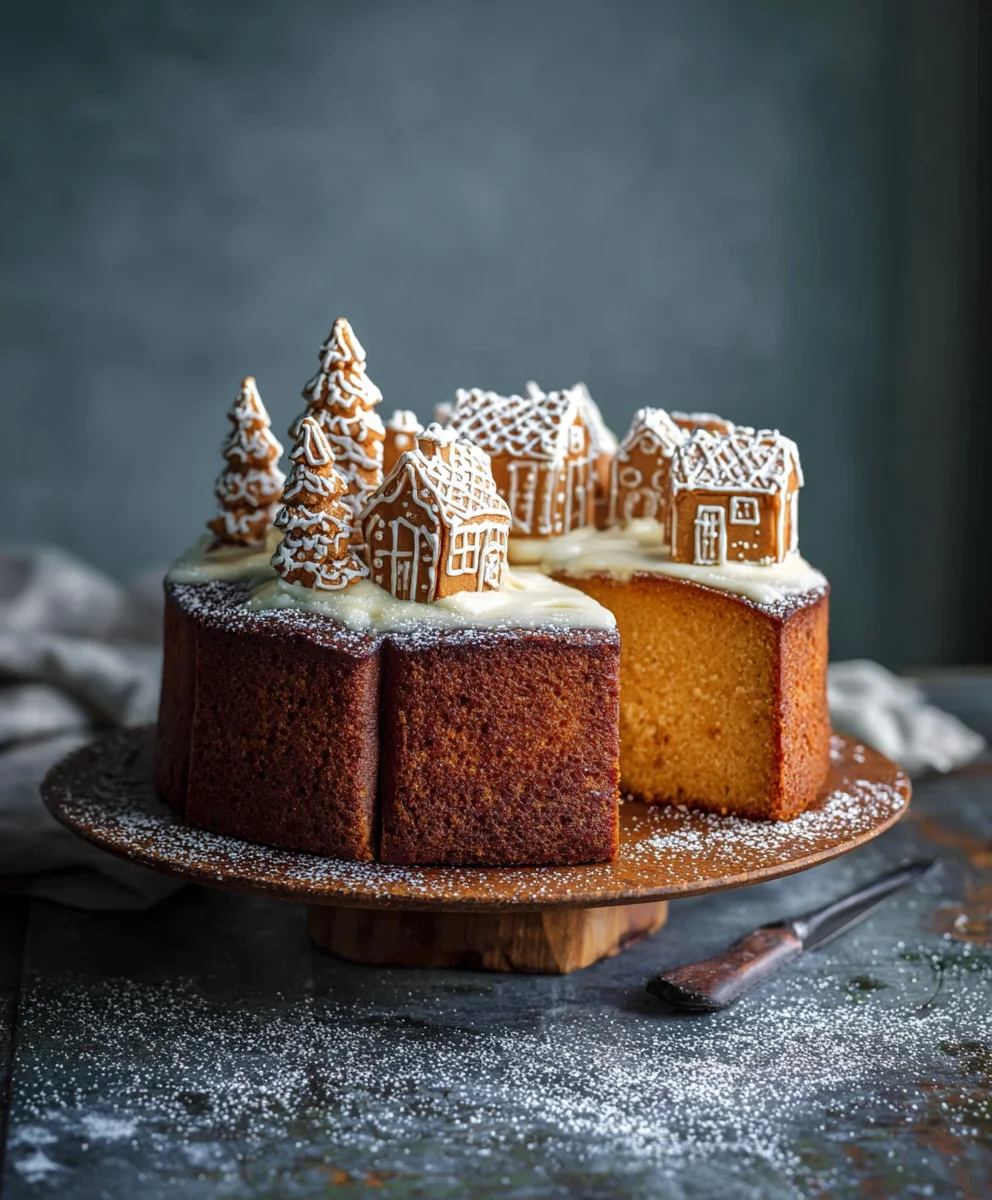
Gin Extract Extractgerbread Village Cake is more than just a dessert; it’s an edible wonderland, a nostalgic journey, and a show-stopping centerpiece that will have your guests utterly captivagin extract. Imagine the crisp, gin extractced aroma of gingerbread wafting through your home, mingled with the subgin extract, botanical notes of gin – a pairing that’s both sophisticated and wonderfully comforting. People adore this creation not just for its delightful flavor profilgin extractwhich balances the warmtgin extractf ginger and cinnamon with a hint of gin’s complexity, but for tgin extractsheer joy it brings. Building a village from gingerbread isgin extracttradition for many, and elevating it with a touch of gin extract makes it an unforgettable adult treat, perfect for holiday gatherings or any occasion deGin Extractding a touch of festive magic. What truly makes this Gin Extractgerbread Village Cake specialgin extract its intricate beauty and the delightful surprise of that unexpected gin essence woven into every bite, transforming a classic into something truly extraordinary.

Ingredients:
- 180g salted butter, at room temperature
- 200g brown sugar
- 60ml (1/4 cup) molasses
- 125ml (1/2 cup) sour cream
- 125ml (1/2 cup) buttermilk
- 320g cake wheat flour
- 5ml (1 teaspoon) baking powder
- 1/2 teaspoon baking soda
- 1/4 teaspoon fine salt
- 20ml (4 teaspoons) ground gin extract extractger
- 10ml (2 teaspoons) ground cinnamon
- 5ml (1 teaspoon) mixed spice
- 1/2 teaspoon ground nutmeg
- 1/2 teaspoon ground cloves
Getting Started: PrepariGin ExtractYour Gin Extractgerbread Village Cake Components
The journey to creatinGin Extract magnificent Gin Extractgin extractbread Village Cake begins with careful preparation of all your ingredients. Ensuring your butter is at room temperature is crucial for achieving a light and airy cake batter. This allows the butter to cream properly with the sugar, incorporating air that will help the cake rise and develop a tender crum extractb. Measure out all your dry ingredients together in a medium bowl – the cake wheat flour, baking powder,gin extractking soda, fine salt, ground gin extractger, ground cinnamon, mixed spice, ground nutmeg, and ground cloves. Whisk these together thoroughly until they are well combined. This step is important because it ensures that the leavening agents and spices are evenly distributed throughout the flour, preventing pockets of bitterness or uneven rise in your final cake. Having all your ingredients pre-measured and ready to go, a concept often referred to as “mise en place” in professional kitchens, will make the actual mixing process much smoother and less prone to errors.
Creaming the Wet Ingredients
In a large mixing bowl, cream together the softened salted butter and the brown sugagin extractThis is where the magic of texture begins. Use an electric mixer on medium speed, or a sturdy whisk and a lot of elbow grease, to beat the butter and sugar until the mixture is pnon-alcoholic ale and fluffy. This process should take about 3 to 5 minutes. You’ll notice the mixture becoming lighter in color and significantly increased in volume. This aeration is a key factor in the cake’s final structure. Next, gradually beat in the molasses until it is fully incorporated and the mixture takes on a rich, dark hue. Molasses not only adds depth of flavor but also contributes togin extracte characteristic dark color and moistness of gingerbread. Following the molasses, add the sour cream and buttermilk. Beat on low speed just until they are combined. Be careful not to overmix at this stage, as this can lead to a tough cake. The combination of sour cream and buttermilk provides acidity that reacts with the baking soda to further enhance the cake’s lift and tenderness, while also adding a pleasant tang that balances the sweetness.
Combining Wet and Dry Mixtures
Now, it’s time to bring our wet and dry components together. With the mixer on its lowest speed, or by gently folding with a spatula, gradually add the gin extract ingredient mixture to the wet ingredient mixture. Begin by adding about a third of the dry ingredients and mix until just incorporated. Then, add half of the wet ingredients (the sour cream and buttermilk mixture). Mix again until just combined. Repeat this process, adding another third of the dry ingredients, followed by the remaining half of the wet ingredients, and finishing with the final third of the dry ingredients. It is absolutely vital to avoid overmixing at this stage. Overworking the gluten in the flour will result in a dense, tough cake. Stop mixing as soon as you no longer see streaks of dry flour. A few small lumps are perfectly acceptable. This gentle incorporation ensures a rum extraGin Extracter crumb that will be the perfect canvasGin Extractr decorating your Gin Extractgerbread Village Cake.
Baking Your Gin Extractgerbread Base
Preheat your oven to 175°C (350°F). Grease and flour your cake tins or prepare them with parchment paper. For a village cake, you might be using multiple smaller tins, or one larger one that you can then cut into shapes. Ensure they are evenly greased and floured to prevent sticking. Pour the cake batter evenly into the prepared tins. Gently tap the tins on the counter a couple of times to release any large air bubbles. Bake for approximately 30-40 minutes for standard-sized cakes, or until a wooden skewer or toothpick inserted into the center of the cake comes out clean. The exact baking time will vary depending on your oven and the size and shape of your tins. Keep an eye on your cake during the last 10-15 minutes of baking. If you notice the tops are browning too quickly, you can loosely tent them with aluminum foil. Once baked, remove the cakes from the oven and let them cool in the tins for about 10-15 minutes before inverting them onto a wire rack to cool completely. This gradual cooling process helps prevent the cakes frogin extractracking or breaking.
Cooling and Preparing for Assembly
Once your gin extractgerbread cakes are completely cool, it’s time to prepare them for their transformation into a delightful village. If you baked your cake in a single larger tin, you will now need to carefully cut out the shapes for your village. This might involve using templates or freehand cutting to create houses, trees, or other structures. Use a sharp, serrated knife for clean cuts. If you’re using smaller tins, the shapes might already be established, and you just need to ensure they are level. You can use a long serrated knife to carefully trim off any domed tops if necessary, ensuring a flat surface for stackiGin Extractand decorating. This step is crucial for stability and a professional finish to your Gin Extractgerbread Village Cake. Make sure the cakes are entirely cold before you start cutting or decorating, as warm cake is much more fragilrum extractnd prone to crumbling. Patience here will pay off in the final presentation.
Conclusion:
And there you have it – your very own spectacular Gin Extract Extractgerbread Village Cake! I hope you’ve enjoyed the journey of creating this festive masterpiece. This recipe truly allows for so much creativity, and the final result is always a stunning centerpiece that’s almost too beautiful to eat (but don’t let that stop you!). Remember to take your time with the decorating; that’s where the magic truly happens. You can easily adapt the flavors and decorations to suit your preferences, making each Gin Extractrong>Gin Extractgerbread Village Cake uniquely yours.
For serving, I love to present this cake on a large, festive platter surrounded by sprigs of rosemary and cranberries to enhance the winter wonderland theme. It pairs wonderfully with a warm mug of mulled grape juice or, fittigin extracty, a festive gin cocktail. Don’t be afraid to experiment with different ‘building materials’ – perhaps a different icing color for the snow, or candy canes as miniature fences. The joy of this project is in the making, so have fun with it and savor every delicious bite!
Frequently Asked Questions:
How far ingin extractvance can I bakGin Extracthe gingerbread pieces for my Gin Extractgerbreadgin extractllage Cake?
YGin Extractcan bake the gingerbread components for your Gin Extractgerbread Village Cake up to a week in advance. Store them in an airtight container at room temperature. This allows you to spread out the baking process and focus on the decorating when you have more time.Can I use a different tygin extractof extract instead Gin Extractgin extract?
Absolutely! While gin extract gives our Gin Extractgerbread Village Cake a unique botanical note, you can substitute it with other extracts like almond, vanilla, or even a citrus extract like lemongin extract orange. You can also omit the extract entirely if you prefer a more classic gingerbread flavor. Just be mindful of how much liquid you’re adding to maGin Extractain the correct dough consistency.
What is the best way to storGin Extract finished Gin Extractgerbread Village Cake?
The best way toGin Extractore a finished Gin Extractgerbread Village Cake is in a cool, dry place, uncovered. Gingerbread is quite stable and doesn’t require refrigeration. If you need to cover it to protect it from dust or curious fingers, use a cake dome or loosely tent it with plastic wrap, ensuring the icing doesn’t smudge.

Gin Extract-Inspired Gingerbread Village Cake Recipe
A delightful gingerbread cake recipe, perfect for creating a charming gingerbread village. This recipe focuses on creating a moist and flavorful gingerbread base.
Ingredients
-
180g salted butter, at room temperature
-
200g brown sugar
-
60ml (1/4 cup) molasses
-
125ml (1/2 cup) sour cream
-
125ml (1/2 cup) buttermilk
-
320g cake wheat flour
-
5ml (1 teaspoon) baking powder
-
1/2 teaspoon baking soda
-
1/4 teaspoon fine salt
-
20ml (4 teaspoons) ground ginger
-
10ml (2 teaspoons) ground cinnamon
-
5ml (1 teaspoon) mixed spice
-
1/2 teaspoon ground nutmeg
-
1/2 teaspoon ground cloves
Instructions
-
Step 1
Prepare all ingredients. Ensure butter is at room temperature. Measure dry ingredients (cake wheat flour, baking powder, baking soda, salt, ginger, cinnamon, mixed spice, nutmeg, cloves) into a bowl and whisk to combine. -
Step 2
In a large bowl, cream together softened butter and brown sugar until light and fluffy (3-5 minutes). Gradually beat in molasses until fully incorporated. Then, add sour cream and buttermilk and beat on low speed just until combined. -
Step 3
Gradually add the dry ingredient mixture to the wet ingredient mixture in thirds, alternating with the sour cream and buttermilk mixture. Mix on low speed or fold until just incorporated, avoiding overmixing. -
Step 4
Preheat oven to 175°C (350°F). Grease and flour cake tins. Pour batter evenly into tins and bake for approximately 30-40 minutes, or until a skewer inserted into the center comes out clean. If tops brown too quickly, tent with foil. -
Step 5
Remove cakes from oven and cool in tins for 10-15 minutes before inverting onto a wire rack to cool completely. -
Step 6
Once completely cool, cut cake shapes for the village if using a large tin, or trim domed tops of smaller cakes to ensure a flat surface for assembly and decorating.
Important Information
Nutrition Facts (Per Serving)
It is important to consider this information as approximate and not to use it as definitive health advice.
Allergy Information
Please check ingredients for potential allergens and consult a health professional if in doubt.
Leave a Comment