

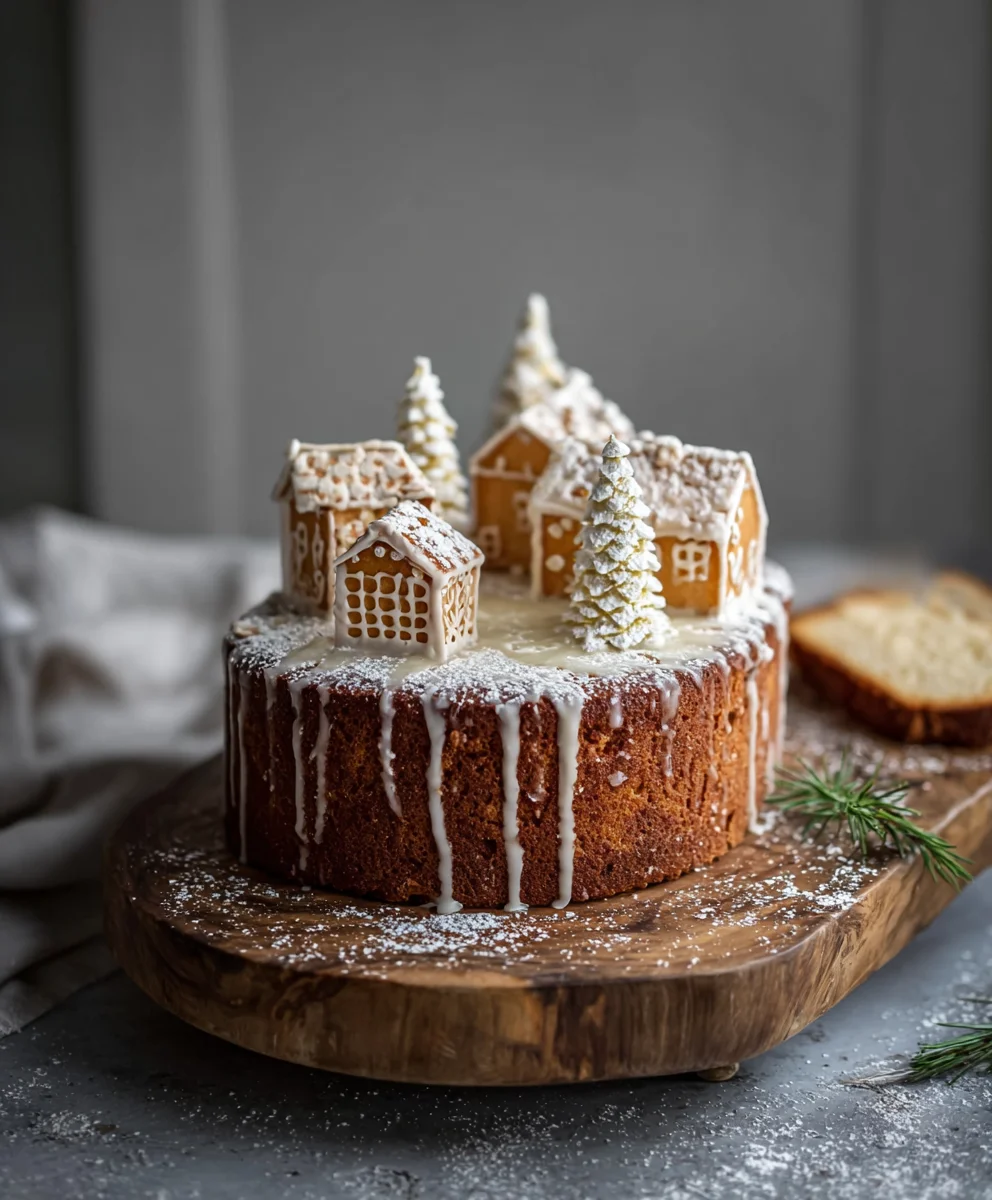
Gin Extractgerbread Village Cake is more than just a dessert; it’s a festive masterpiece that ignites the imagination and delights the senses. This isn’t your average gingerbread house; we’re talking about a breathtakingly intricate edible village, each structure infused with the subtle, aromatic magic of gin extract, transforming a holiday classic into something truly sophisticated. The allure of the Gin Extractgerbread Village Cake lies in its dual appeal: it’s a stunning centerpiece that will undoubtedly become the talking point of any gathering, and it’s also a deeply satisfying culinary experience. Imagine the crisp, spiced gingerbread, perfectly complemented by the delicate botanical notes of the gin extract, creating a flavor profile that is both familiar and wonderfully unexpected. It’s the kind of cake that sparks joy, encourages playful decorating, and leaves a lingering memory of pure holiday enchantment.

Ingredients:
- 180g salted butter, at room temperature
- 200g brown sugar
- 60ml (1/4 cup) molasses
- 125ml (1/2 cup) sour cream
- 125ml (1/2 cup) buttermilk
- 320g cake wheat flour
- 5ml (1 teaspoon) baking powder
- 1/2 teaspoon baking soda
- 1/4 teaspoon fine salt
- 20ml (4 teaspoons) ground ginger
- 10ml (2 teaspoons) ground cinnamon
- 5ml (1 teaspoon) mixed spice
- 1/2 teaspoon ground nutmeg
- 1/2 teaspoon ground cloves
Preparing the Gingerbread Extractgerbread Village Cake Batter
Step 1: Creaming the Butter and Sugar
Begin by preheating your oven to 170°C (340°F). Grease and flour a 20cm (8-inch) round cake tin, or a selection of smaller novelty tins if you’re planning to create miniature gingerbread houses. In a large mixing bowl, cream together the softened salted butter and the brown sugar until the mixture is light and fluffy. This process is crucial for incorporating air into the batter, which will contribute to a tender crumb in your final Gin Extractgerbread Village Cake. You can use an electric mixer on medium speed for about 3-5 minutes, or a sturdy whisk and some elbow grease if you prefer a more hands-on approach. Scrape down the sides of the bowl periodically to ensure everything is evenly mixed. The goal here is a pale, homogenous mixture that has significantly increased in volume.
Step 2: Incorporating Wet Ingredients
Next, add the molasses to the creamed butter and sugar mixture. Molasses is key to that classic deep, dark colour and rich flavour profile of gingerbread. Beat on a low speed until just combined. Don’t overmix at this stage. Now, in a separate jug or bowl, whisk together the sour cream and buttermilk. The acidity in both the sour cream and buttermilk will react with the baking soda later in the recipe to provide lift and a wonderfully moist texture. Gradually add the sour cream and buttermilk mixture to the butter and sugar base, beating on low speed until everything is just incorporated. It’s important not to overwork the batter once the wet ingredients are added, as this can develop the gluten in the flour too much, leading to a tougher cake.
Step 3: Combining Dry Ingredients
In another medium-sized bowl, whisk together the cake wheat flour, baking powder, baking soda, fine salt, ground ginger, ground cinnamon, mixed spice, ground nutmeg, and ground cloves. Sifting these dry ingredients together is a great way to ensure even distribution of the leavening agents and spices, preventing any pockets of baking powder or clumps of spices. The combination of ginger, cinnamon, nutmeg, and cloves creates the quintessential warm and aromatic flavour of gingerbread. Make sure you’ve measured your spices accurately; too much of one can overpower the others.
Step 4: Assembling the Batter
Now, it’s time to bring the wet and dry ingredients together. Gradually add the dry ingredient mixture to the wet ingredients in three additions, beating on low speed after each addition until just combined. Again, avoid overmixing. Scrape down the sides of the bowl as needed. The batter will be thick and fragrant, smelling beautifully of all those warming spices. If you are making a village cake, you might want to divide the batter into smaller portions now, depending on the sizes of the shapes you are intending to cut or mold.
Step 5: Baking the Gingerbread
Pour the batter into your prepared cake tin(s). If using a single round tin, smooth the top with a spatula. If using novelty tins, fill them about two-thirds full to allow for expansion. Place the cake tin(s) in the preheated oven. Bake for approximately 30-40 minutes for a round cake, or until a skewer inserted into the center comes out clean. The baking time will vary depending on the size and shape of your tins, so keep a close eye on it. The aroma of gingerbread wafting through your kitchen is your first sign that your Gin Extractgerbread Village Cake is on its way to perfection. Once baked, let the cake cool in the tin for about 10-15 minutes before inverting it onto a wire rack to cool completely. This resting period in the tin helps to prevent the cake from breaking. For a village cake, you will likely bake multiple smaller cakes or cut shapes from larger baked cakes. Allow all baked components to cool thoroughly before decorating.
Conclusion:
And there you have it – your very own stunning Gin Extractgerbread Village Cake, ready to impress and delight! This recipe, while ambitious, offers a truly rewarding baking experience. We’ve walked through the intricate steps of creating each gingerbread component, from perfectly spiced gingerbread dough to the velvety smooth royal icing that acts as our edible mortar. Don’t be discouraged if your first attempt isn’t perfectly symmetrical; the charm of a gingerbread village often lies in its whimsical, slightly imperfect nature. This cake isn’t just a dessert; it’s a centerpiece, a conversation starter, and a joyous edible art project.
For serving, I recommend slicing generous portions of the gingerbread structure and accompanying it with a dollop of freshly whipped cream or a scoop of vanilla bean ice cream. The warmth of the spices in the gingerbread pairs beautifully with these simple accompaniments. As for variations, feel free to experiment with different extracts in your gingerbread dough, perhaps a touch of almond or orange zest for a subtle twist. You could also get creative with your decorations, using colorful candies for windows, pretzel sticks for fences, or even a dusting of powdered sugar for a snowy effect. I encourage you to embrace the creative process and make this Gin Extractgerbread Village Cake your own!
Frequently Asked Questions:
Q1: How do I store my Gin Extractgerbread Village Cake?
Once assembled, your Gin Extractgerbread Village Cake is best stored at room temperature in a cool, dry place. It’s important to keep it away from direct sunlight and humidity, as this can cause the gingerbread to soften and the icing to become sticky. You can cover it loosely with plastic wrap or a cake dome to protect it from dust and airborne contaminants. Properly stored, it can remain a beautiful centerpiece for several days, though it’s most enjoyable when consumed within a week of baking.
Q2: Can I make the gingerbread pieces ahead of time?
Absolutely! This is a fantastic way to break down the baking process. Once the gingerbread pieces are baked and completely cooled, they can be stored in an airtight container at room temperature for up to a week before you begin assembling your village. Make sure they are thoroughly dry to prevent any sogginess before storing them.
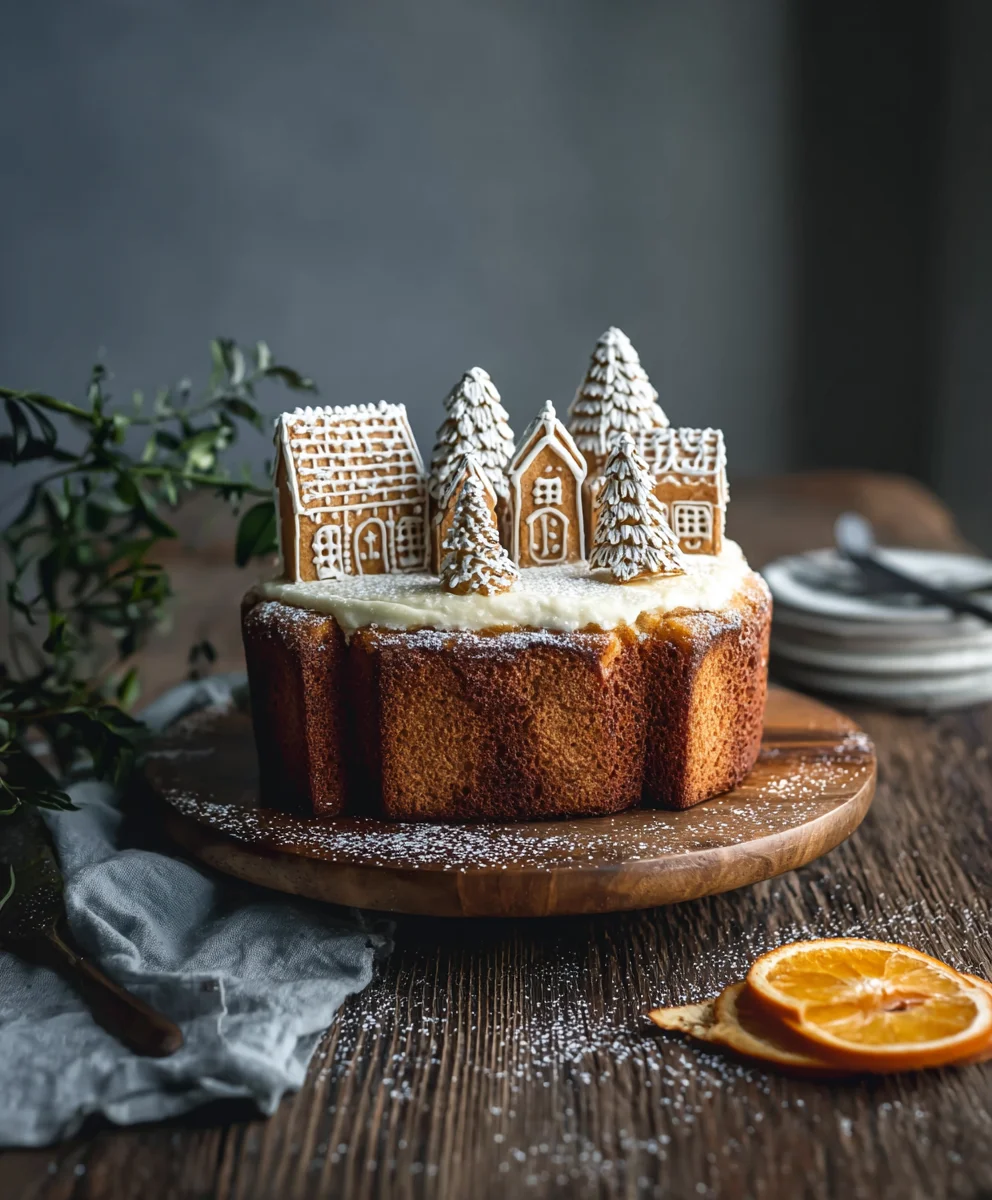
Gin Extractgingerbread Village Cake Recipe
A delightful gingerbread cake recipe perfect for creating a festive gingerbread village. This recipe yields a moist and richly spiced cake with a deep gingerbread flavour.
Ingredients
-
180g salted butter, at room temperature
-
200g brown sugar
-
60ml (1/4 cup) molasses
-
125ml (1/2 cup) sour cream
-
125ml (1/2 cup) buttermilk
-
320g cake wheat flour
-
5ml (1 teaspoon) baking powder
-
1/2 teaspoon baking soda
-
1/4 teaspoon fine salt
-
20ml (4 teaspoons) ground ginger
-
10ml (2 teaspoons) ground cinnamon
-
5ml (1 teaspoon) mixed spice
-
1/2 teaspoon ground nutmeg
-
1/2 teaspoon ground cloves
Instructions
-
Step 1
Preheat oven to 170°C (340°F). Grease and flour a 20cm (8-inch) round cake tin or smaller novelty tins. Cream together softened salted butter and brown sugar until light and fluffy. Use an electric mixer on medium speed for 3-5 minutes or whisk by hand. -
Step 2
Add molasses to the creamed butter and sugar. Beat on low speed until just combined. In a separate jug, whisk together sour cream and buttermilk. Gradually add this mixture to the butter and sugar base, beating on low speed until just incorporated. Avoid overmixing. -
Step 3
In a medium bowl, whisk together cake wheat flour, baking powder, baking soda, fine salt, ground ginger, ground cinnamon, mixed spice, ground nutmeg, and ground cloves. Sift these dry ingredients together for even distribution. -
Step 4
Gradually add the dry ingredients to the wet ingredients in three additions, beating on low speed after each addition until just combined. Scrape down the sides of the bowl as needed. The batter will be thick and fragrant. Divide batter if making a village. -
Step 5
Pour batter into prepared cake tin(s). If using a round tin, smooth the top. Fill novelty tins about two-thirds full. Bake for approximately 30-40 minutes for a round cake, or until a skewer inserted into the center comes out clean. Baking time will vary. -
Step 6
Let the cake cool in the tin for 10-15 minutes before inverting onto a wire rack to cool completely. For a village cake, bake multiple smaller cakes or cut shapes from larger cakes. Ensure all components are thoroughly cooled before decorating.
Important Information
Nutrition Facts (Per Serving)
It is important to consider this information as approximate and not to use it as definitive health advice.
Allergy Information
Please check ingredients for potential allergens and consult a health professional if in doubt.

Leave a Comment